
Search Illinois Arrest Records
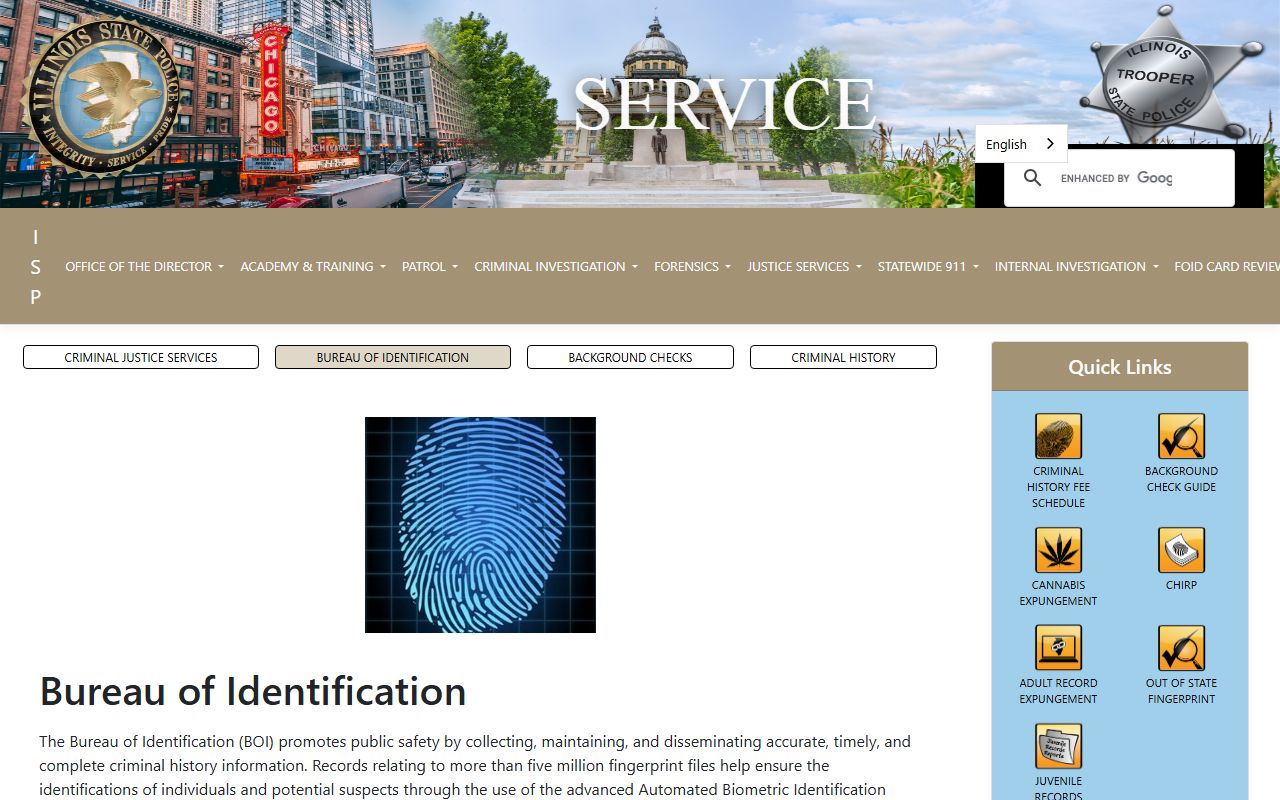
Illinois arrest records are public documents held by law enforcement agencies at every level of state and local government. The Illinois State Police Bureau of Identification maintains more than five million fingerprint files and acts as the main state agency for criminal history data. County sheriff offices and city police departments also keep arrest records for their own jurisdictions. You can search these records through the state CHIRP system, by filing a FOIA request with the right agency, or by going to a county sheriff's office in person. This guide covers how to find, request, and read arrest records across Illinois.
Illinois Arrest Records Quick Facts
Where to Find Illinois Arrest Records
The Illinois State Police Bureau of Identification is the main state agency for arrest records in Illinois. The BOI collects, stores, and shares criminal history data for the whole state. Their facility sits at 260 North Chicago Street in Joliet, Illinois. It is a restricted access site. You need an appointment to go there. Appointments run Monday through Friday from 8:00 a.m. to 4:00 p.m. Call BOI Customer Support at 815-740-5160 or send an email to ISP.BOI.Customer.Support@illinois.gov to set one up.
County sheriff offices are the other main source for arrest records in Illinois. Each of the 102 counties has a sheriff who keeps records of jail inmates, arrest warrants, and booking data. The sheriff's records division can help you find what you need. Many counties also let you search arrest records through their circuit clerk offices, which hold court case files tied to arrests. Some counties have online search tools. Others need you to come in or file a written request.
City police departments keep their own arrest records too. Large cities like Chicago, Aurora, Joliet, and Rockford have police records divisions that handle requests. In Chicago, you can get a RAP sheet (Record of Arrests and Prosecutions) at the Chicago Police Department Headquarters. The Public Access Information Room is on the first floor at Window #1. Bring $16 in cash, check, or money order. Hours for fingerprinting are Monday through Friday from 8:30 a.m. to 12:00 p.m.
How to Search Arrest Records in Illinois
Illinois has a few ways to search arrest records. The method you use depends on what you need and who you are. Public access to criminal records in Illinois is shaped by the Uniform Conviction Information Act (20 ILCS 2635/1), which took effect on January 1, 1991. This law says that all conviction data kept by the Illinois State Police must be open to the public. It is a key rule to know. Only conviction records can be shared with the general public. Arrest data without a conviction is not available to everyone in Illinois.
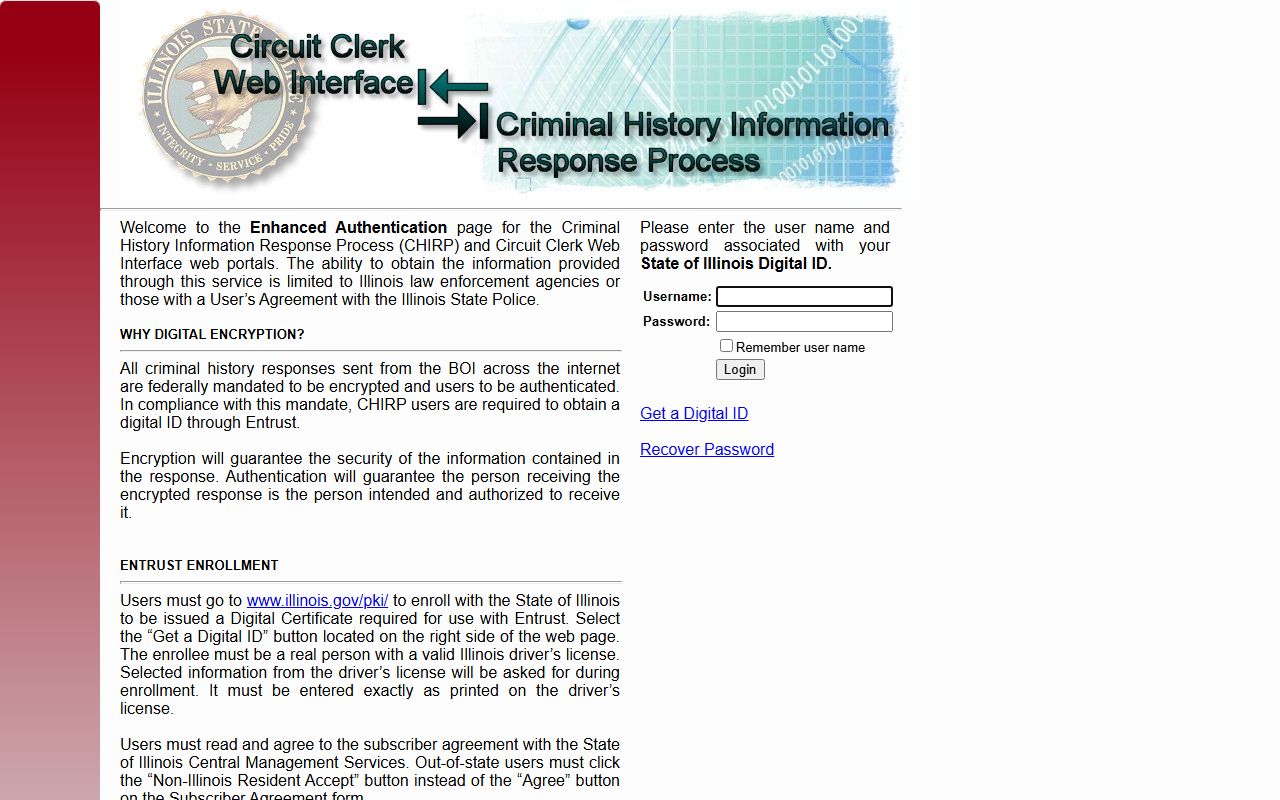
The Criminal History Information Response Process (CHIRP) is the state's main digital system for criminal history searches. CHIRP lets approved users run name-based searches of Illinois arrest records. Access is limited to Illinois law enforcement agencies and groups that have a User's Agreement with the Illinois State Police. All responses sent through CHIRP are encrypted as required by federal law. Users must get a digital ID through Entrust and enroll at the State of Illinois PKI website.
For the general public, the Illinois Freedom of Information Act (5 ILCS 140/1) is the main tool for getting arrest records. FOIA requires state and local agencies to share public records when asked. Under Section 2.15 of the act, arrest information must be provided within 72 hours of an arrest. This data includes the person's name, age, address, and photo when available. It also includes the charges, time and place of arrest, and the name of the arresting agency. You can submit a FOIA request to any law enforcement agency in Illinois.
Filing a FOIA request with the Illinois State Police is straightforward. Visit the ISP FOIA page and use the Document Request Form. Send it to ISP.FOIA.Officer@illinois.gov. The FOIA officer is Sarah Wheeler, based at 801 South 7th Street, Suite 1000-S, Springfield, Illinois 62703. Be specific in your request. Avoid broad terms like "any and all records" since that can cause delays or denials. The ISP gets thousands of FOIA requests each year and may need up to five extra business days for complex ones.
What Illinois Arrest Records Show
An arrest record in Illinois holds key facts about a specific event. It shows the full name, date of birth, and often the home address of the person who was arrested. The record lists the arrest date, time, and the exact charge. You will find the booking number, the name of the arresting agency, and the location where the arrest took place. If the person was put in jail, the record notes when they came in, when they left, and any transfers between facilities. This is all laid out under 5 ILCS 140/2.15 in the Illinois FOIA statute.
Arrest records differ from conviction records in Illinois. An arrest record shows that someone was taken into custody. A conviction record shows that a court found the person guilty. The UCIA (20 ILCS 2635/1) only lets the public see conviction data from the state police. But arrest information from local agencies is often available through FOIA within 72 hours. Keep this in mind when you search. The type of record you can get depends on which agency you ask and how far the case went in court.
Requesting Your Own Criminal History
You can get a copy of your own arrest record in Illinois through the Access and Review process. Visit a Live Scan fingerprint vendor near you and complete the Access and Review form. You will be fingerprinted at the same time. The state police will mail the results to your home. This is the only way for an individual to see their full criminal history in Illinois, including arrests that did not lead to convictions.
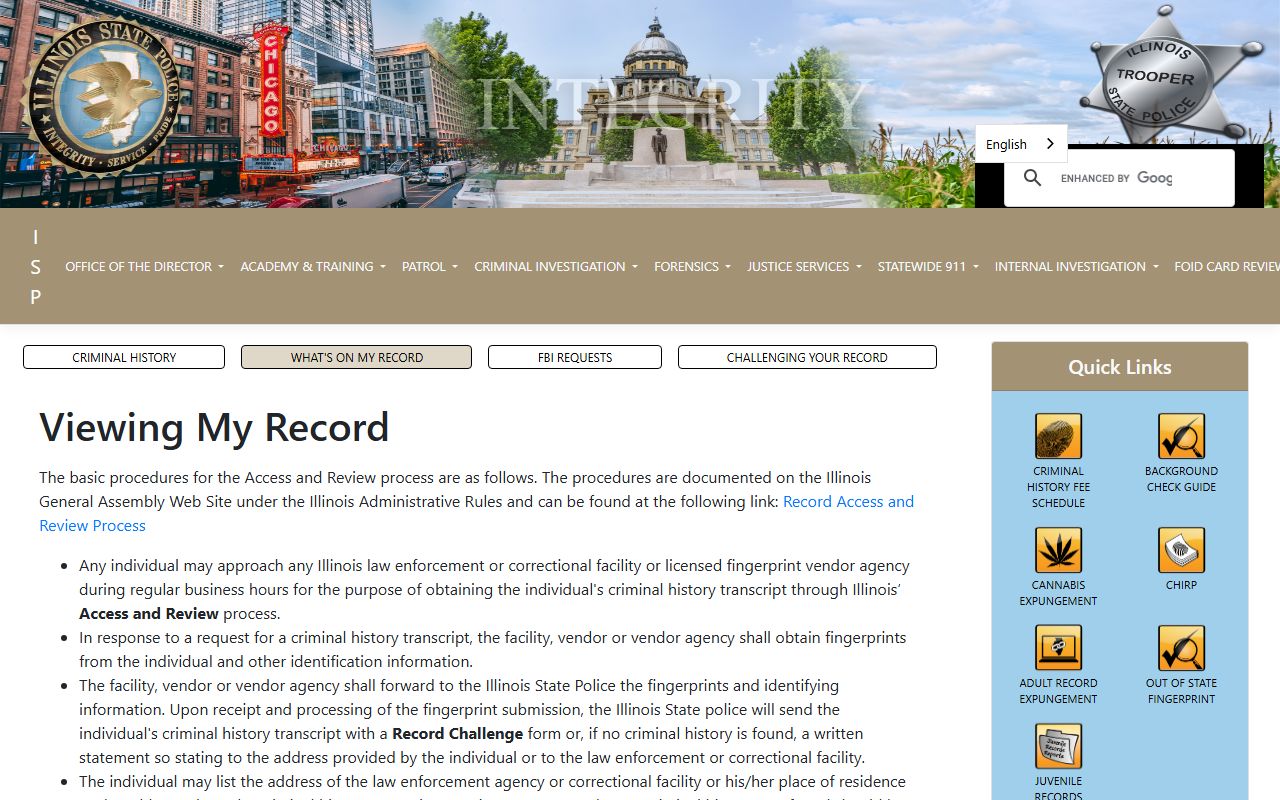
The last page of the Access and Review packet is a Record Challenge Form. If you find errors on your record, you can use this form to dispute them. Send the filled-out form to the Bureau of Identification at 260 North Chicago Street in Joliet, Illinois. You can also drop it off at the main entrance vestibule. Errors happen. Names get mixed up, charges show wrong dates, or old cases stay on a record longer than they should. The challenge process lets you fix these problems in Illinois.
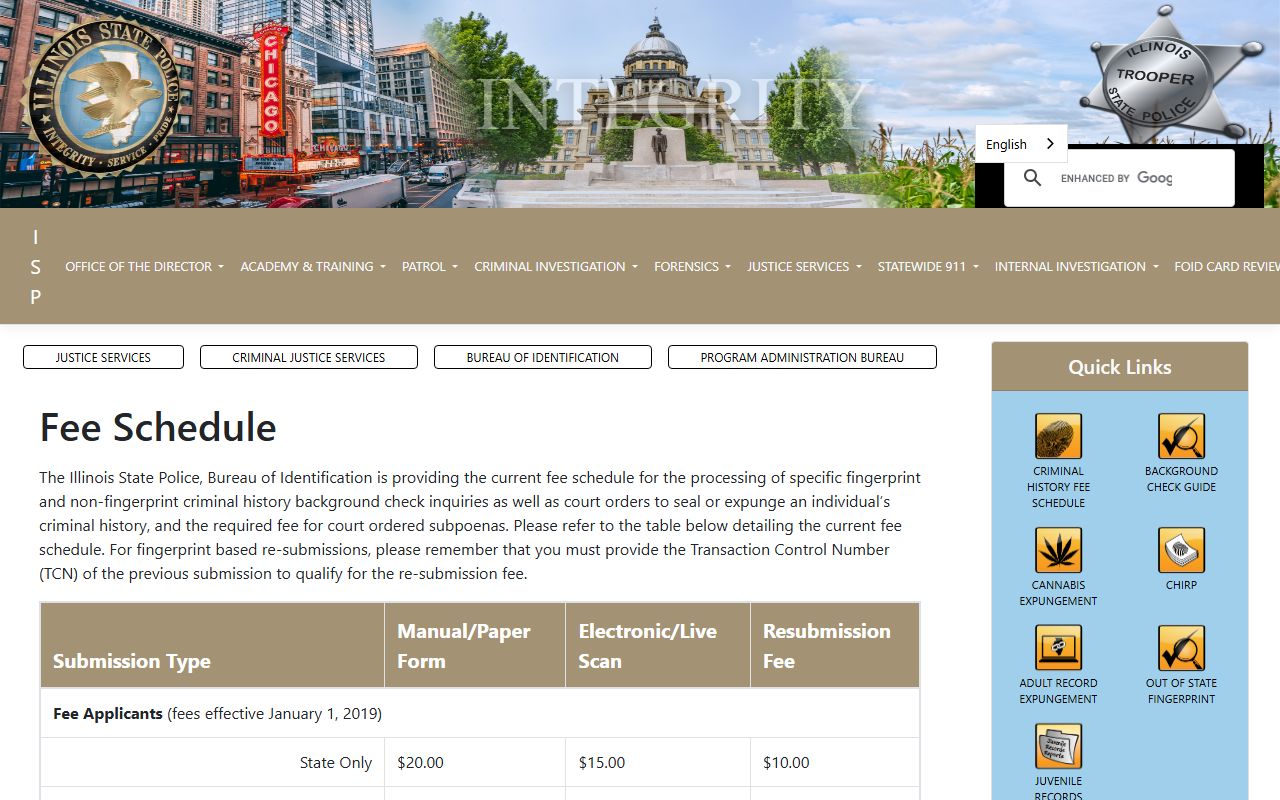
Check the ISP fee schedule for current costs. Fees change from time to time, so call ahead or check online before you go. The BOI Customer Support line is 815-740-5160.
Filing a FOIA Request for Arrest Records
The Freedom of Information Act gives every person in Illinois the right to ask for public records from government agencies. This includes arrest records held by police departments, sheriff offices, and the state police. You do not need to be the person named in the record. You do not need to state a reason for your request. The law requires agencies to respond, and they must do so within five business days in most cases.
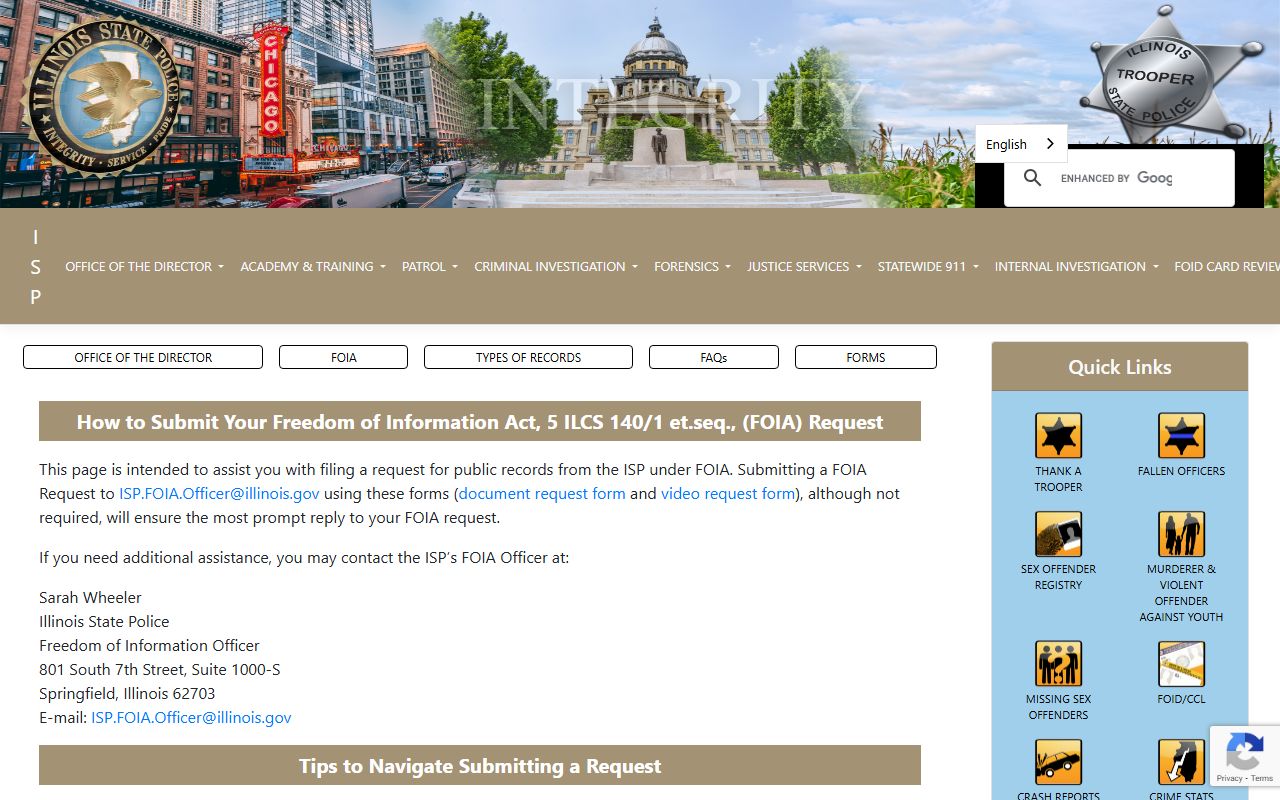
The ISP offers two FOIA forms. The Document and Audio File Request Form covers most arrest record requests. A separate Video Request Form exists for camera footage. Download both from the ISP FOIA page. Using the official forms is not required by law, but it speeds things up. You can also submit a FOIA request by regular mail to the Freedom of Information Officer at 801 South 7th Street, Suite 1000-S, Springfield, Illinois 62703. At the county level, each sheriff's office has its own FOIA officer. Contact the county directly for local arrest records in Illinois.
Records tied to open cases may be withheld. The FOIA has exemptions under Sections 7, 7.5, and 8.5 of the act. If release of an arrest record would interfere with an active law enforcement investigation, the agency can deny the request. Sealed and expunged records are also off limits.
Fees for Illinois Arrest Records
Fees for arrest records in Illinois vary by agency and request type. The Illinois State Police charges fees based on the official fee schedule posted on their website. For a personal RAP sheet in Chicago, the cost is $16.00 payable by cash, check, or money order at the Chicago Police Department. County sheriff offices set their own copy fees. Most charge per page, and certified copies cost more than plain ones.
FOIA requests to the state police may also come with costs. The first 50 pages of any FOIA response from many agencies in Illinois are provided at no charge. Pages beyond that may cost a small per-page fee. Some agencies charge for search time if the request is broad or complex. To avoid surprise fees, make your FOIA request as specific as possible. Name the person, give dates, and identify the agency involved. This keeps the search narrow and the cost low for arrest records in Illinois.
Expunging or Sealing Arrest Records in Illinois
Illinois law allows some arrest records to be expunged or sealed. Expungement means the record is destroyed. Sealing means it still exists but is hidden from most public searches. The process starts with getting a copy of your criminal history through the Access and Review method. Visit the Office of the State Appellate Defender website for step-by-step instructions. You can also email ISP.Expungement.Unit@illinois.gov or ISP.BOI.Customer.Support@illinois.gov for questions about your arrest records in Illinois.
Not all arrest records can be expunged. Cases that ended in a conviction generally cannot be wiped clean, with some exceptions for certain offenses. Arrests that did not lead to charges, cases that were dismissed, and cases where the person was found not guilty are often eligible. Illinois also has specific rules for cannabis-related expungements handled through the Bureau of Identification criminal history section. The law around expungement and sealing is complex. Talk to a legal aid group if you need help with your arrest records in Illinois.
Browse Illinois Arrest Records by County
Each county in Illinois has a sheriff's office that keeps arrest records for that area. Pick a county below to find local contact details, search tools, and resources for arrest records in that county.
Arrest Records in Major Illinois Cities
Residents of major cities can request arrest records from their local police department or the county sheriff. Pick a city below to find out how to search arrest records in that area.